How Much Protein Do You Actually Need? (And the Best Ways to Get It)
Protein tends to be either the most obsessed-over macronutrient or the most neglected one. But the truth is that whether you're an athlete or someone who just wants to feel good and maintain your health, protein matters more than you might think.
It is literally the building block of almost everything in your body: your muscles, yes, but also your hormones, enzymes, immune cells, and even your hair and nails. Your body is constantly breaking down and rebuilding tissues, and protein is what makes that possible.
I see a lot of clients who don't realise they're not eating enough protein until we actually track it. They're tired, constantly hungry an hour after eating, or struggling to recover from workouts. Often, adding more protein makes a massive difference in how they feel day-to-day.
Protein also keeps you full longer than carbs or fat do, which is why you might notice that a breakfast with eggs sticks with you way longer than toast alone. And unlike fat or carbohydrates, your body doesn't store protein, so you need to eat it regularly throughout the day.
How Much Do You Actually Need?
The minimum recommendation is 0.75 grams per kilogram of body weight, so if you weigh 75kg, that's about 55 grams daily. However, that's a minimum, not a goal. If you're active, recovering from illness, or getting older, you likely need more. I typically recommend people aim closer to 1.2-1.6 grams per kilogram if they're exercising regularly.
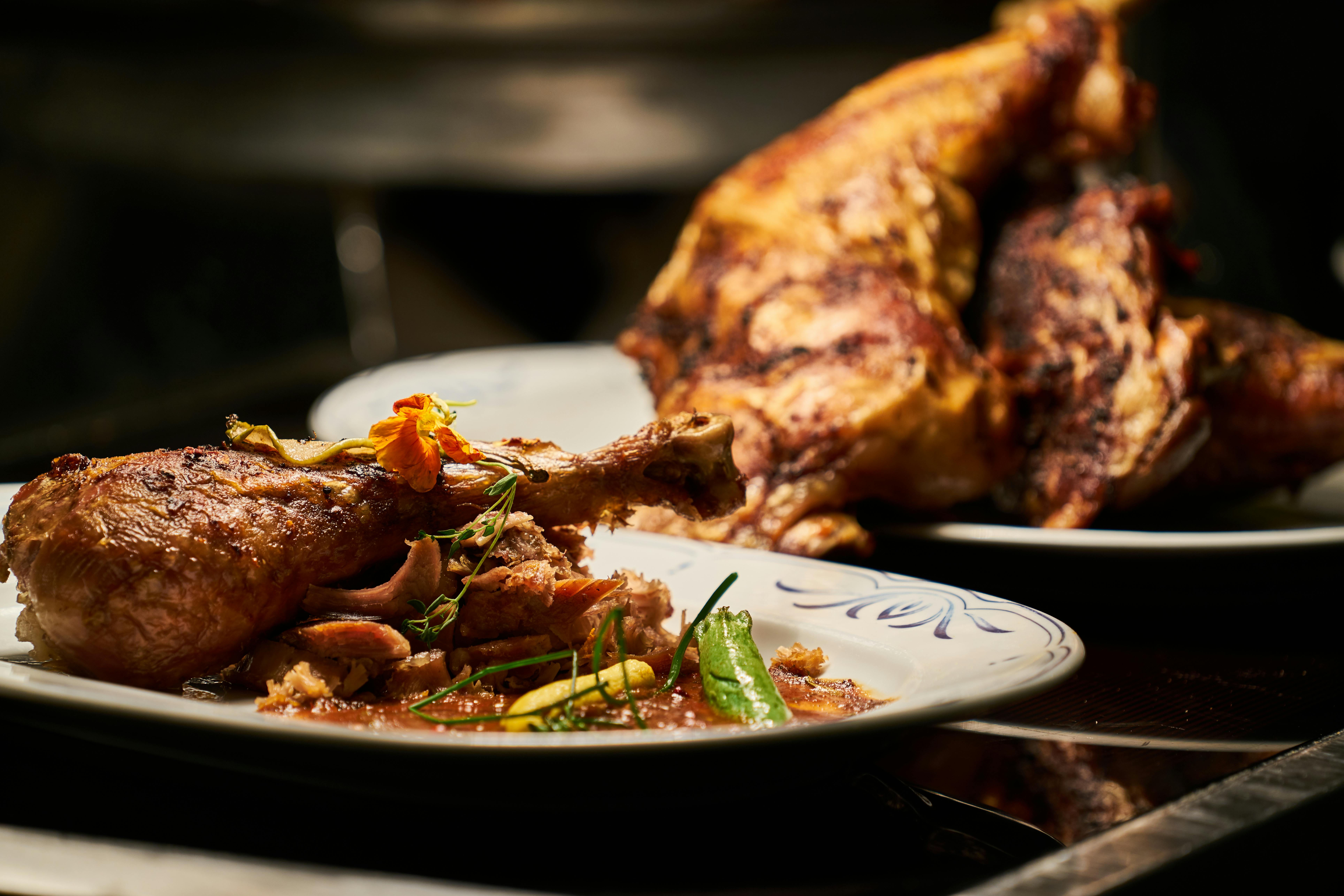
Animal-Based Protein Sources
Animal proteins are what we call "complete proteins" because they contain all nine essential amino acids your body can't make on its own. Here are some of my go-to recommendations:
Chicken breast is the classic for a reason. A 100-gram serving gives you about 31 grams of protein with very little fat. It's versatile, relatively cheap, and easy to prep in bulk.
Beef packs about 26 grams of protein per 100 grams, plus it's one of the best sources of iron and B12, nutrients that are harder to get from plant sources.
Eggs are honestly one of the most underrated protein sources. One large egg has 6 grams of protein, they're cheap, quick to cook, and incredibly nutrient-dense. The whole "eggs are bad for cholesterol" thing has been largely debunked, by the way.
Salmon gives you about 25 grams of protein per 100 grams, plus the omega-3 fatty acids that are so good for your brain and heart. If fresh salmon is too expensive, tinned or frozen works just as well nutritionally.
Cottage cheese is having a moment right now, and I'm here for it. One cup has about 28 grams of protein, and because it contains casein (a slow-digesting protein), it keeps you satisfied for hours. Great before bed if you're trying to build muscle.
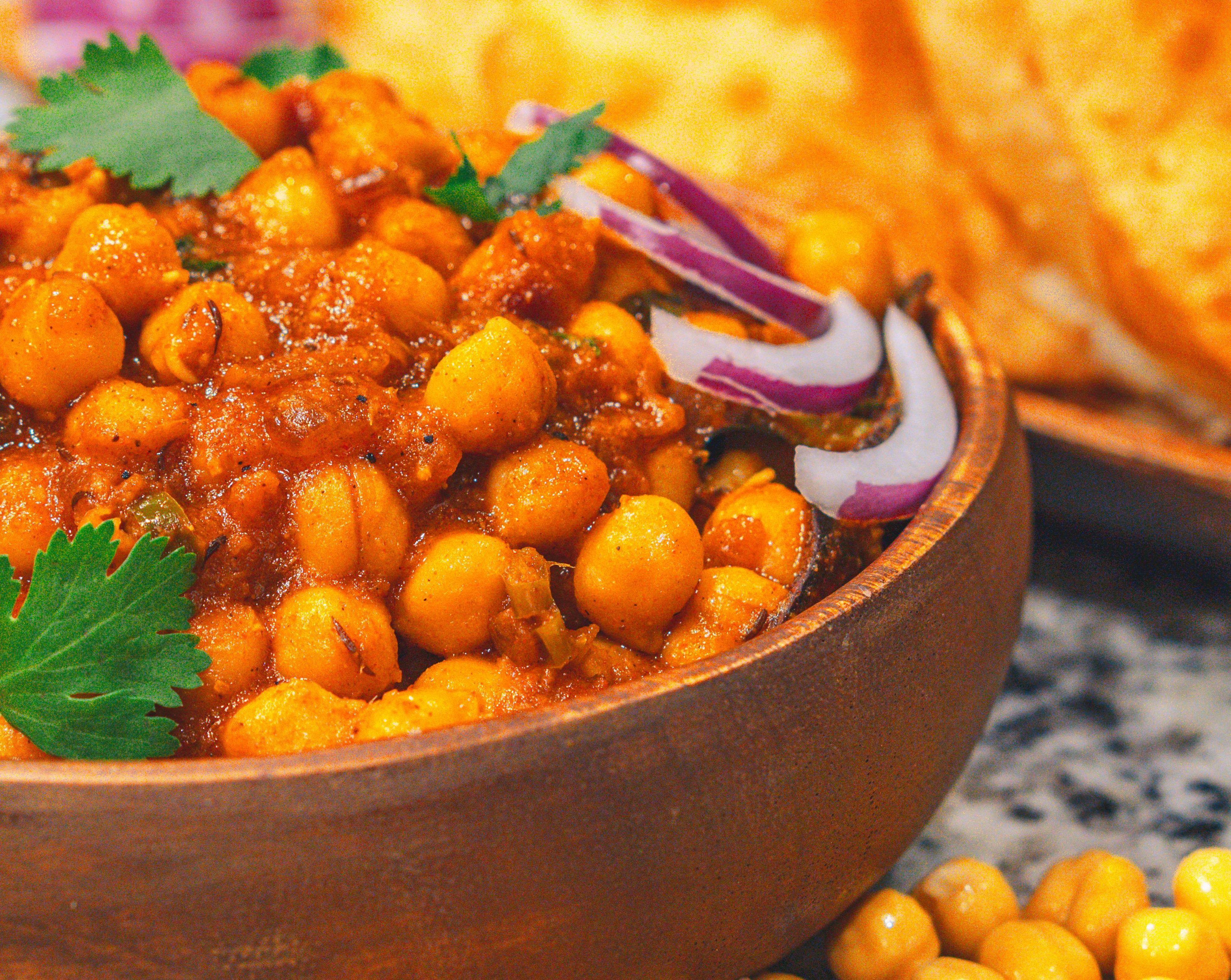
Plant-Based Protein Sources
You don't need to eat animal products to get enough protein, but you do need to be more intentional about it. Here's what I recommend:
One cup of cooked lentils gives you 18 grams of protein plus tonnes of fibre and iron. They're also dirt cheap and incredibly versatile. If you're not eating them regularly, you should be.
Chickpeas offer about 15 grams per cooked cup. Roast them for a crunchy snack, blend them into hummus, or toss them in salads and curries.
Quinoa is one of the few plant foods that's a complete protein, about 8 grams per cooked cup. It's great as a base for bowls or as a side dish.
Almonds and other nuts give you about 7 grams per quarter-cup, plus healthy fats.
If you're eating mostly plant-based, combining different protein sources throughout the day (like rice and beans, or hummus and wholegrain pitta) ensures you're getting all your essential amino acids.
You don't need to stress about hitting some perfect protein number at every meal. But if you're feeling constantly hungry, low energy, or not recovering well from workouts, take a look at your protein intake. Most people I work with benefit from bumping it up. Mix up your sources, animal, plant, or both, and spread your protein throughout the day rather than loading it all into dinner.

I'm a Registered Associate Nutritionist (ANutr) specialising in eczema, gut health and food intolerances. Here you'll find honest, evidence-based nutrition advice, the stuff I wish someone had told me sooner.
Disclaimer: The content on this website is provided for informational purposes only and should not be construed as medical advice. It is not intended to replace professional consultation, diagnosis, or treatment. For personalised healthcare advice, always consult a qualified healthcare provider.
© 2026 Coherent Nutrition. All rights reserved.