5 Simple Food Swaps for Better Energy, Digestion and Skin
I promise this isn't going to be one of those "throw out everything in your cupboards and start from scratch" situations. Sustainable healthy eating is about making slightly better choices when you can, without making yourself feel miserable in the process.
Here are some swaps that actually make a difference and, importantly, don't require you to eat food you hate.
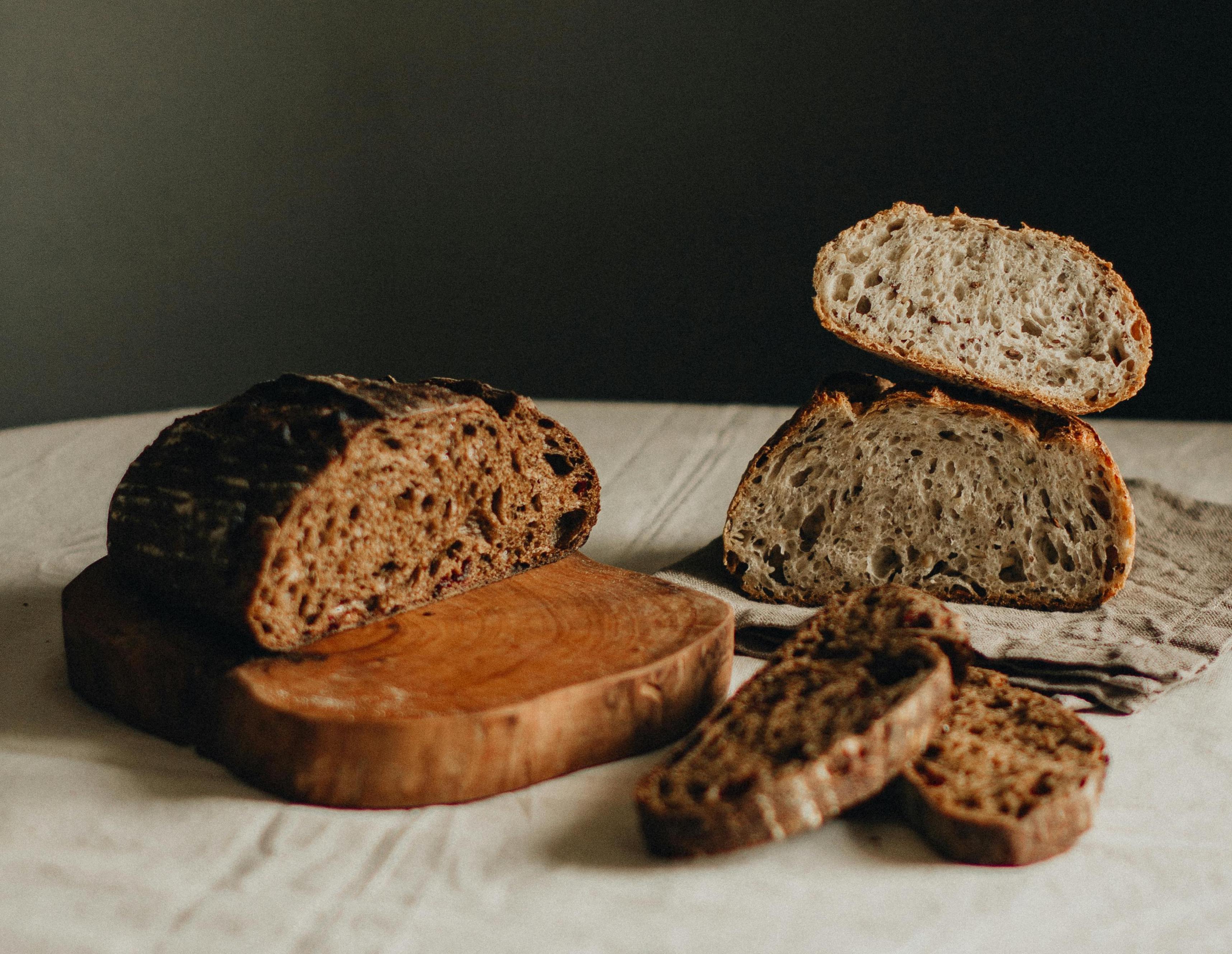
White Bread → Wholegrain Bread
White bread is made from refined flour, which means all the good stuff, like the fibre, vitamins, and minerals, has been stripped out during processing. What's left is essentially just quick-burning carbs that can spike your blood sugar and leave you hungry again an hour later.
Wholegrain bread keeps all those nutrients intact. The fibre slows down digestion, keeps you fuller longer, and helps stabilise your blood sugar. When you're shopping, check the ingredients list, "wholemeal" or "whole grain" should be mentioned in the first ingredients.
If you can find a wholegrain sourdough, even better as the fermentation process makes it easier to digest and gives it a lovely flavour. Plus, proper sourdough keeps longer without going mouldy.
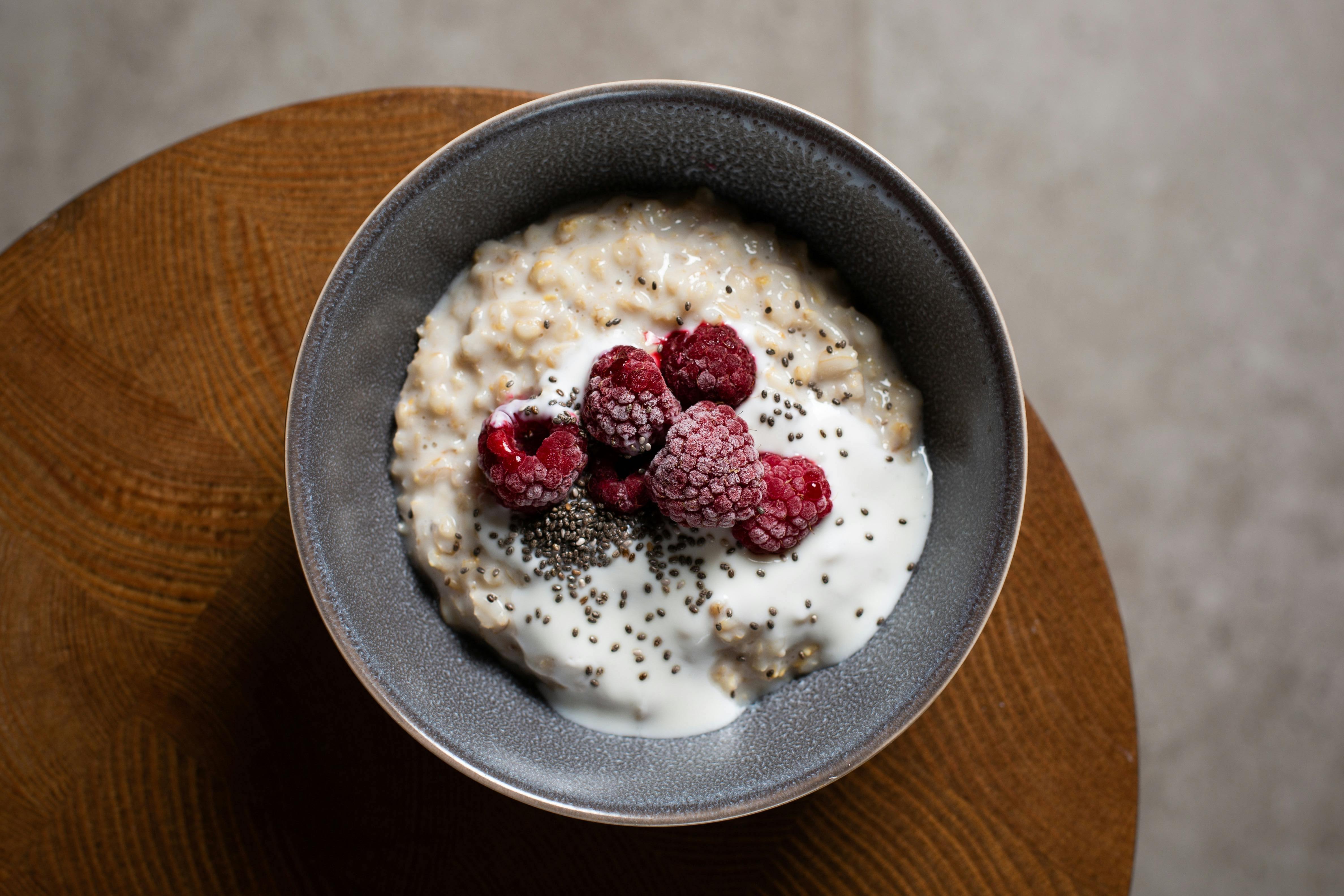
Sugary Cereal → Porridge
Sugary cereal is easy to make, and honestly, it tastes good. But it's basically a bowl of refined carbs and sugar that'll have you starving by 10am and rummaging through the biscuit tin.
Porridge / oats is a great breakfast to have because it's high in fibre, particularly beta-glucan, which helps regulate blood sugar and keeps you full for longer. It's also got magnesium, iron, and B vitamins.
"But porridge is boring!" I hear this all the time. It doesn't have to be. Top it with berries or sliced banana for natural sweetness. Add a spoonful of nut butter for protein and healthy fats. Sprinkle on some cinnamon, which not only tastes great but also helps with blood sugar regulation. Add in some chia seeds or ground flaxseed for omega-3s. A handful of nuts adds crunch. Make it the night before if mornings are chaotic, overnight oats are brilliant and require zero cooking.

Fizzy Drinks → Infused Water or Herbal Tea
Regular fizzy drinks are just liquid sugar, really. They spike your blood sugar and because they're liquid, your body doesn't register the calories the same way it does with food. You can drink a can of Coke and still be just as hungry.
Infused water is simple to make and actually tastes nice. You can add things like cucumber, mint, lemon, ginger, or berries with basil, which is lovely in summer. Just add whatever you like into a jug of water and leave it in the fridge. You get a bit of flavour, some extra vitamins, and none of the added sugar.
Herbal teas are another great option. Peppermint is brilliant for digestion, chamomile is calming, rooibos has a naturally sweet taste without any added sugar. You can have them hot or iced, and unlike regular tea or coffee, they won't keep you up at night.
You can prep a big jug at the weekend and you've got something nice to drink all week.
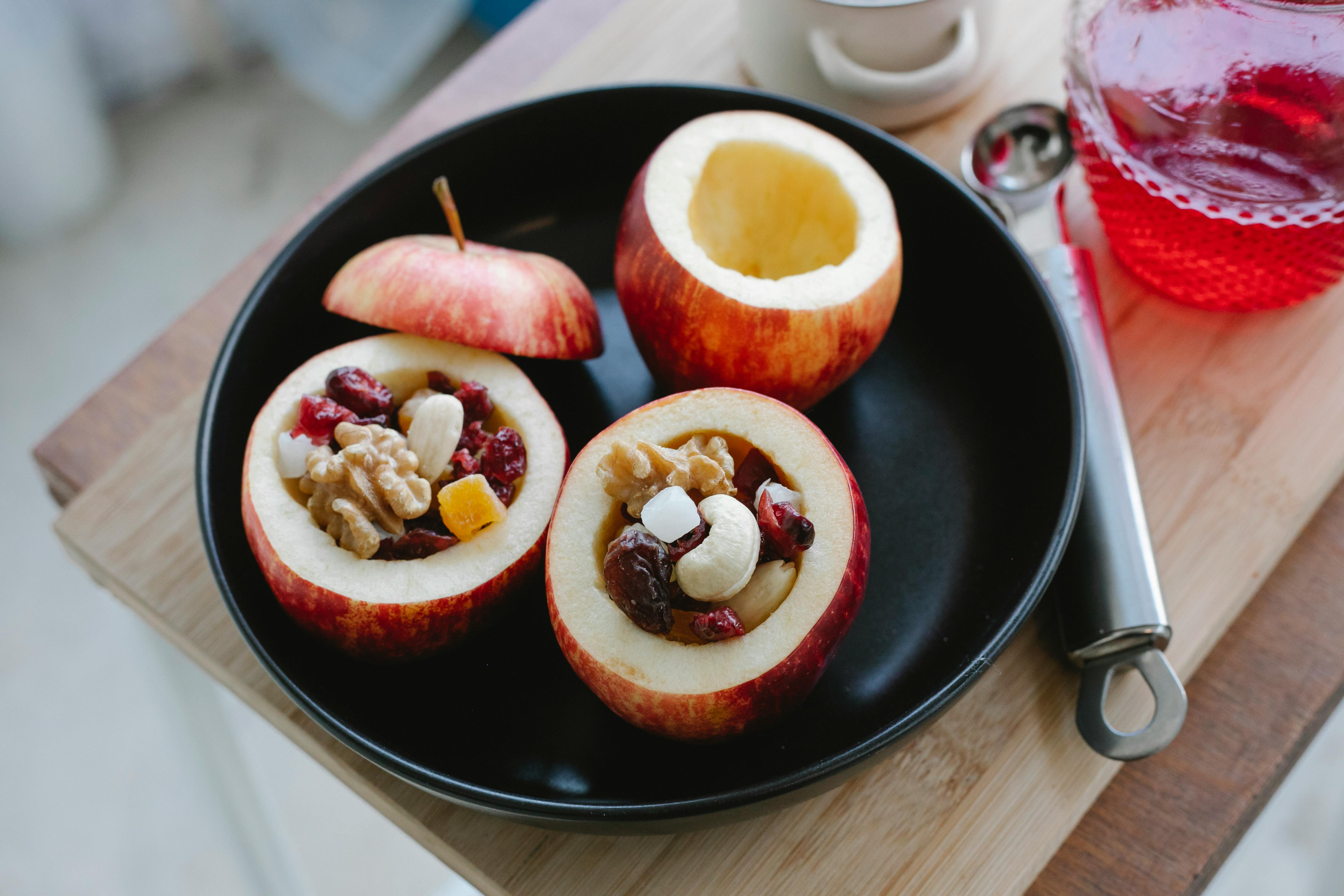
Shop-Bought Snacks → Homemade Trail Mix
Most packaged snacks are engineered to make you eat more of them with loads of salt, sugar, and additives.
Making your own trail mix takes about five minutes and you know exactly what's in it. Grab some nuts (almonds, walnuts, cashews), add some seeds (pumpkin seeds are brilliant), and throw in some dried fruit for sweetness.
The nuts give you protein, healthy fats, and fibre, all the things that actually keep you full. Seeds add omega-3s and extra nutrients. For the dried fruit, try to get unsweetened versions like dried cranberries, apricots, and raisins all work well. Some brands add loads of sugar to dried fruit, which defeats the point a bit.
You can add a pinch of cinnamon or cocoa powder and make a big batch. Portion it into little containers or bags, and you've got grab-and-go snacks for the week.
Ready Meals → Home Cooking
I know that ready meals are convenient, but they're also often packed with extra salt and preservatives.. Plus, they're often surprisingly high in calories for how unsatisfying they are.
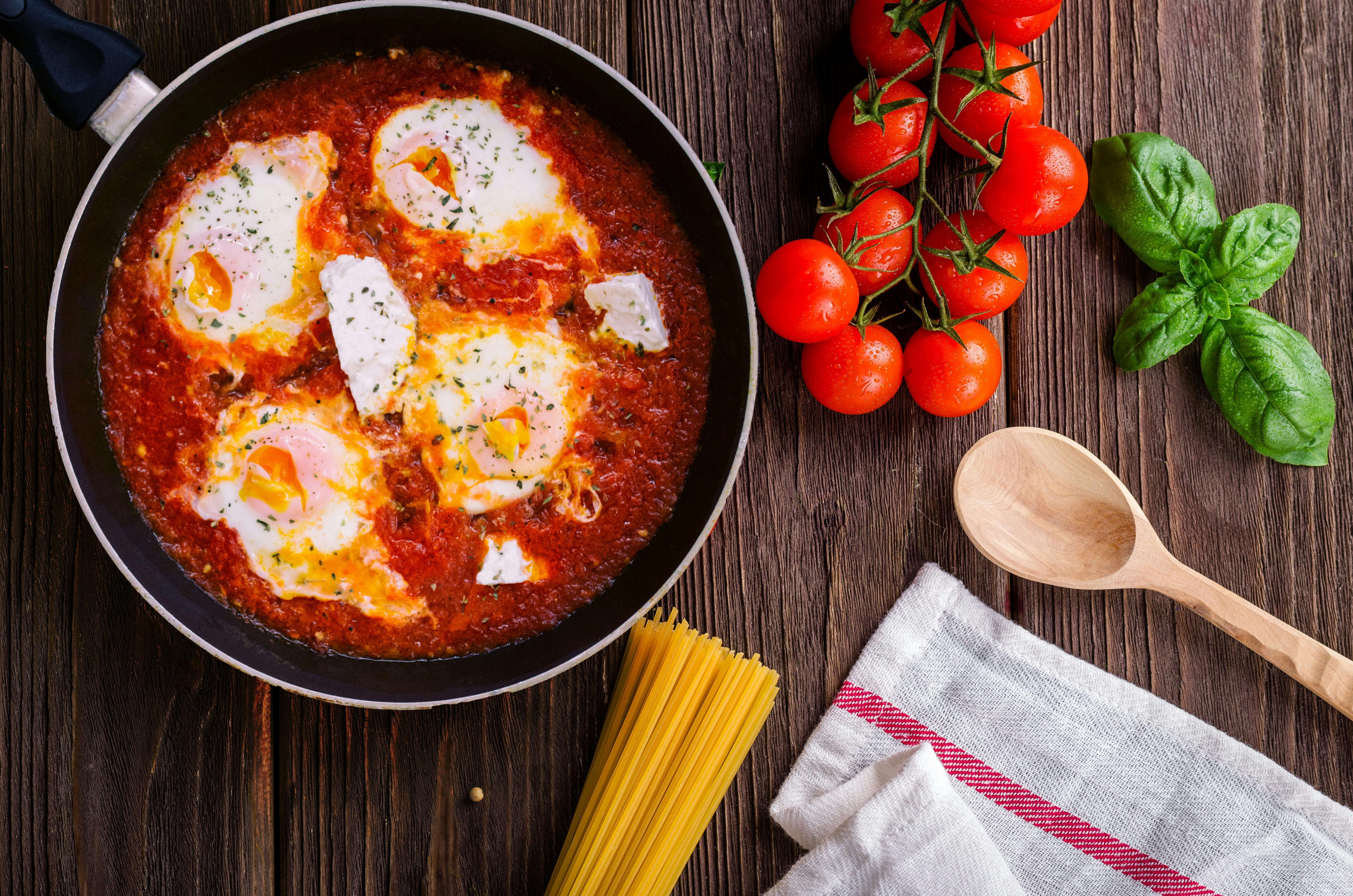
Cooking at home doesn't have to be complicated. A simple stir-fry with whatever veg you've got, some protein, and a sauce takes 15 minutes. A big pot of pasta with tinned tomatoes, garlic, and veg is cheap, quick, and you can freeze portions for later. Even just scrambled eggs with spinach and toast is a nutritious meal.
The difference is that you can control the salt and sugar, and honestly, it usually tastes better too. Plus, there's something quite satisfying about cooking your own food, even when it's simple.
Start with one or two home-cooked meals a week if that feels manageable, then build from there. Batch cooking on a Sunday helps, make a big curry or chilli, portion it up, and you've got lunch sorted.
You don't need to do all of these at once. Pick one swap that sounds doable and give it a go for a few weeks. Once that feels normal, add another one.

I'm a Registered Associate Nutritionist (ANutr) specialising in eczema, gut health and food intolerances. Here you'll find honest, evidence-based nutrition advice, the stuff I wish someone had told me sooner.
Disclaimer: The content on this website is provided for informational purposes only and should not be construed as medical advice. It is not intended to replace professional consultation, diagnosis, or treatment. For personalised healthcare advice, always consult a qualified healthcare provider.
© 2026 Coherent Nutrition. All rights reserved.